
Oranges were rationed in England during World War II. They were supposed to go to the children, but Vitamin C deficiencies will be manifest in all ages, so they were often given to adults, too.
Vitamin C
• Aids healing
• Improves gum health
• Builds a stronger immune system
• Helps maintain strong bones and teeth
• Increases the body’s ability to absorb iron
• Is important in nerve health
Vitamin C deficiencies include
• Poor appetite
• Weight loss
• Sore joints
• Bleeding gums
• Bruising
• Loss of teeth
• Anemia
Because Vitamin C is water-soluble, it is needed every day. The body does not store it. Being water-soluble also means it is in the liquid of canned fruits and vegetables. Use the liquid in sauces, soups, and gelatin salads or drink the 100% juice in cans of fruit to benefit from the dissolved Vitamin C.
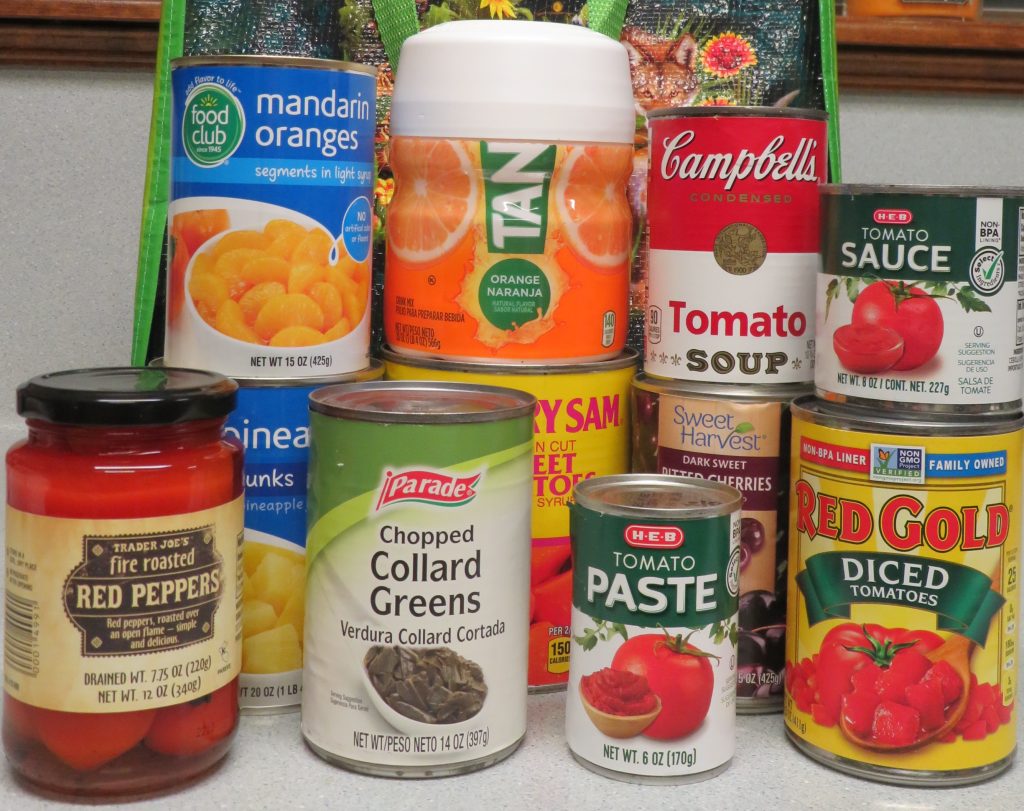
Do you have enough Vitamin C foods stored? Some Vitamin C is lost in processing, but canned, dehydrated, and freeze-dried foods are still a good source of the vitamin. If you must choose a limited variety of fruits and vegetables, choose those that have Vitamin C in them.
Vitamin C foods include:
• Tomatoes
• Tomato soup
• Tomato juice
• Tomato sauce
• Tomato paste
• Spinach and other greens
• Sweet potatoes
• Winter squash
• Bell peppers
• Cabbage
• Broccoli
• Cranberries
• Blueberries
• Raspberries
• Strawberries
• Orange breakfast drink
• Orange juice
• Enriched juices
• Mandarin oranges
• Mango
• Pineapple
• Pineapple juice
• Grapefruit
Food is better than supplements, but multivitamins or Vitamin C tablets are an option. Vitamin C has a shorter shelf life than most vitamins but Vitamin C in crystal form will store longer.
Make sure your home storage is nutritionally well-balanced and nutritionally sound. Be sure you have Vitamin C foods included.