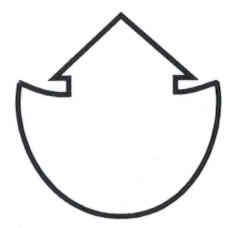
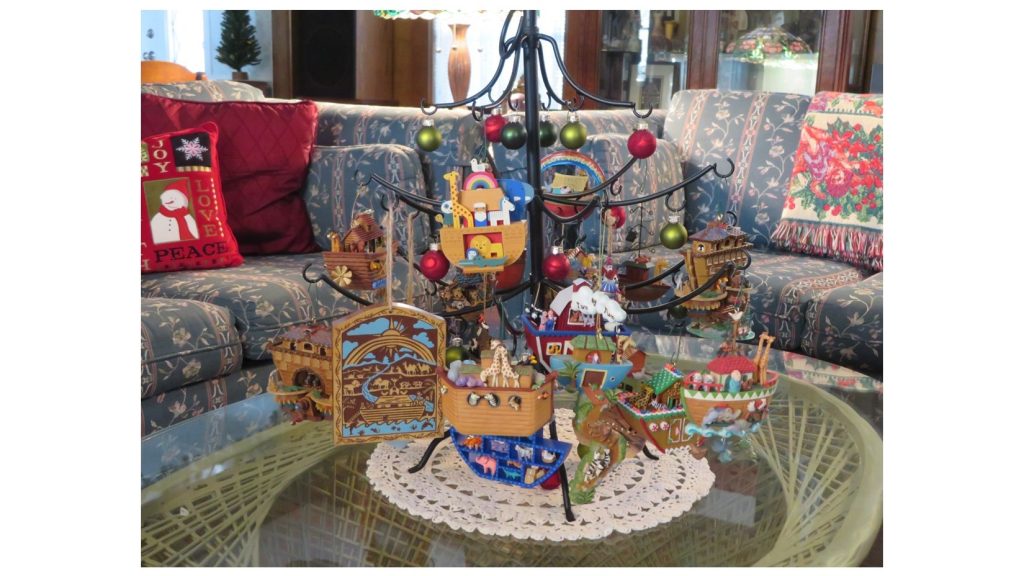

I have arks in many forms and designs all over my home. I even have an ornament tree full of ark ornaments. To me, they are a symbol of hope, a symbol of promises made by God, and a symbol of promises kept by God. They are symbolic of the commandments of God that will save us if we act. They are also symbolic of the partnership we have with God in fulfilling His promises.
Brigham Young once said “If we are to be saved in an ark, as Noah and his family were, it will be because we build it.”1
God asked Noah to build an ark to save himself and his family. God didn’t build it for him. He required Noah to do his part to save himself and his family. God instructed Noah on the size of the ark (Genesis 6:15), what kind of wood to build it from (Genesis 6:14), to make it watertight (Genesis 6:14), and to include a window, a door, and three stories (Genesis 6:16). The scriptures do not record whether he was given any more details about the building of the ark. We can assume, therefore, that Noah was given the opportunity to determine the details – the number of rooms, which floor his family lived on, how many staircases to include, which animals lived where, etc. Noah was obedient to the commandments of God after “being warned of God of things not seen as yet….to the saving of his house.” (Hebrews 11:7)
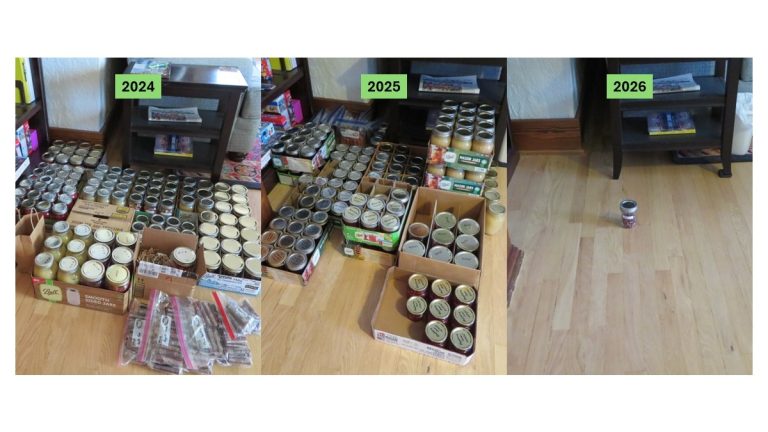
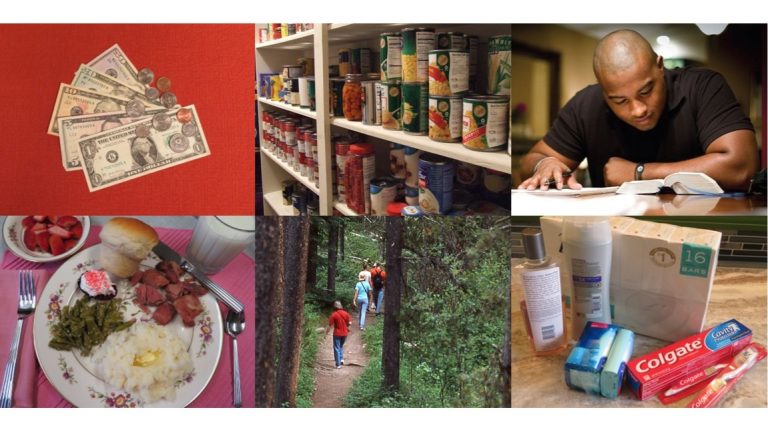
As we prepare our own arks, we are also being obedient after “being warned of God of things not seen as yet”. Like Noah, we are given general instructions – build a three-month supply of food that is part of our normal daily diet, store water, have money in savings, and build a long-term supply of survival food. The details are not there so you have the opportunity, like Noah, to determine the number of rooms and staircases and where everyone and everything will live (or how much of each chosen food to be stored how and where you choose). We, like Noah, can do all that the Lord commands us (Genesis 6:22) and still have some choice in how we do it. When we do, His promises are sure.
- The Discourses of Brigham Young, page 291 ↩︎