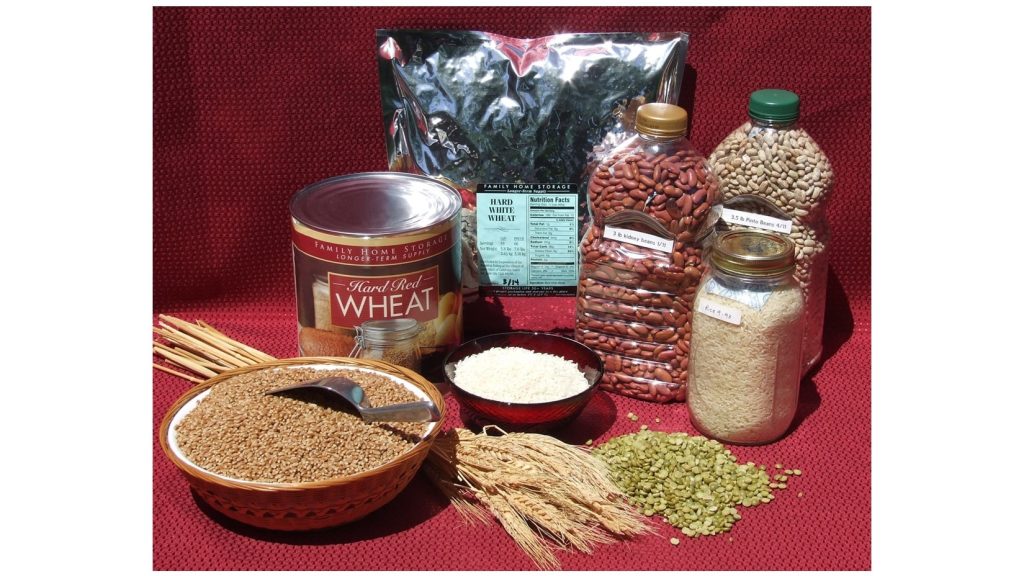

Ezra Taft Benson taught
“For years we have been counseled to have on hand a year’s supply of food. Yet there are some today who would not start storing until the Church comes out with a detailed monthly home storage program. Now suppose that never happens? We still cannot say we have not been told.
“Should the Lord decide at this time to cleanse the Church…a famine in this land of one year’s duration could wipe out a large percentage of slothful members, including some ward and stake officers. Yet we cannot say we have not been warned.” (Ezra Taft Benson, April 1965)
“…it is not meet that I should command in all things; for he that is compelled in all things, the same is a slothful and not a wise servant…” Doctrine and Covenants 58:26
“…men should…do many things of their own free will…for the power is in them, wherein they are agents unto themselves…” Doctrine and Covenants 58:27, 28
By using food storage principles to govern your preparedness and food storage plans, you do not need a detailed program provided and can exercise your freedom of choice to determine what you do, what you store, how you store it, and where you store it.
THE BASIC PRINCIPLES OF FOOD STORAGE
A food storage principle is a scientifically based guideline for individualizing food storage and ensuring its edibility. Food storage principles derive from broader research and provide direction and standards as we seek to obtain, preserve, use, and continue to incorporate food storage in our everyday life.
Use these basic principles to guide you in selecting and storing items for your family’s food storage:
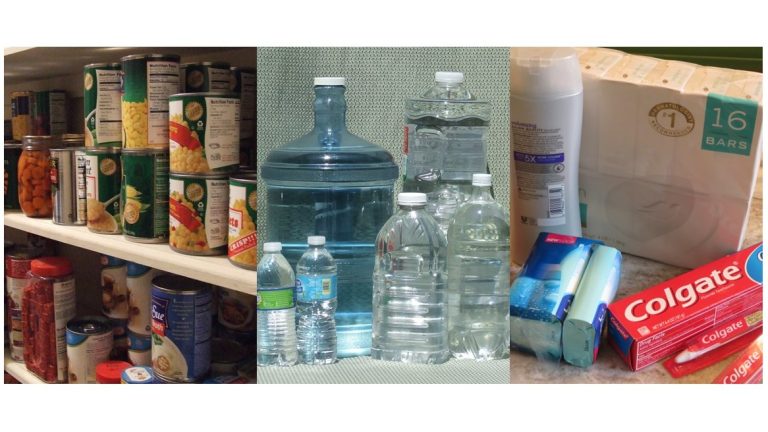
• Store what your family will eat and learn to eat what will store well. Be sure to consider special diet needs.
• Store foods from all the recommended food storage groups to ensure a balanced diet.
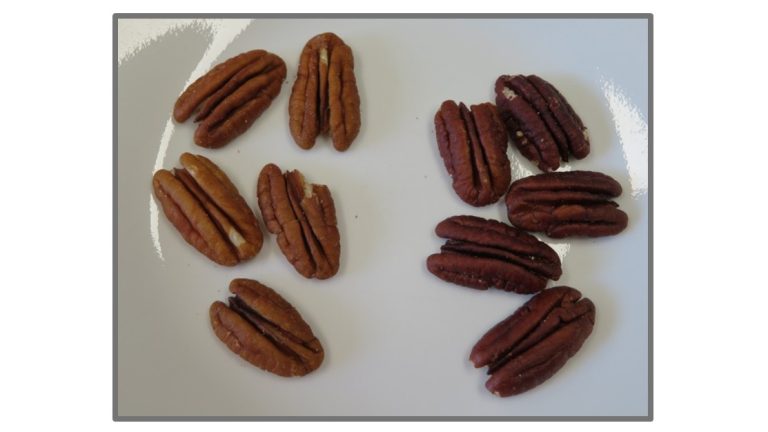
• Check for expiration dates to determine the freshness and quality of the food items you purchase. Buy the freshest for the longest shelf life.
• Make adjustments for food quantities based on the age and activity levels of individuals in your family.
• Basic storage foods should be low in moisture (10 percent or less). These foods will retain their quality and nutritional value longer and will be more pest resistant when stored properly.
• Incorporate stored food items into your regular meals to avoid waste. Replace them as they are used to ensure a constant fresh supply of food. Doing so will also help avoid the incorporation of costly or hard to find food items in your stored food plan.
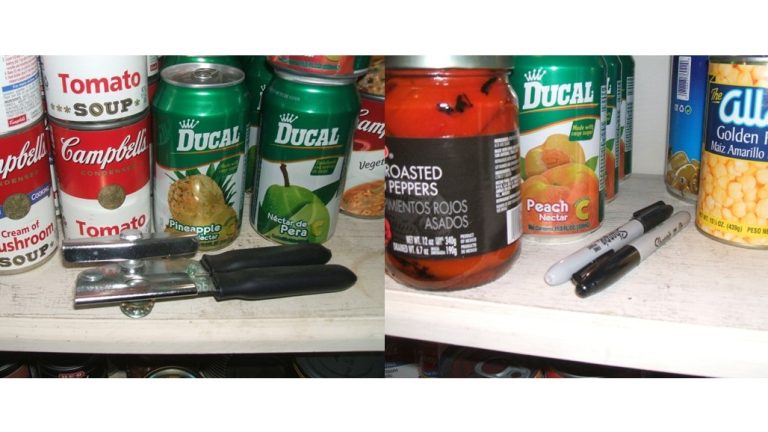
• Label each food container with the date of purchase so that the oldest items can be used first.
• Food should be stored cool, dry, dark, and airtight. Avoid storing in hot attics and garages. Keep food above concrete floors and away from heat and light sources. Containers should be as airtight as possible.
• Inventory your food supply regularly. Check for items that need to be used, replaced, or added to your supply. Check for insect and rodent infestations and damaged containers.