
The Church of Jesus Christ of Latter-day Saints introduced the idea of a Three-Month Supply in 2007 in the pamphlet All is Safely Gathered in: Family Home Storage. The pamphlet encouraged members to:
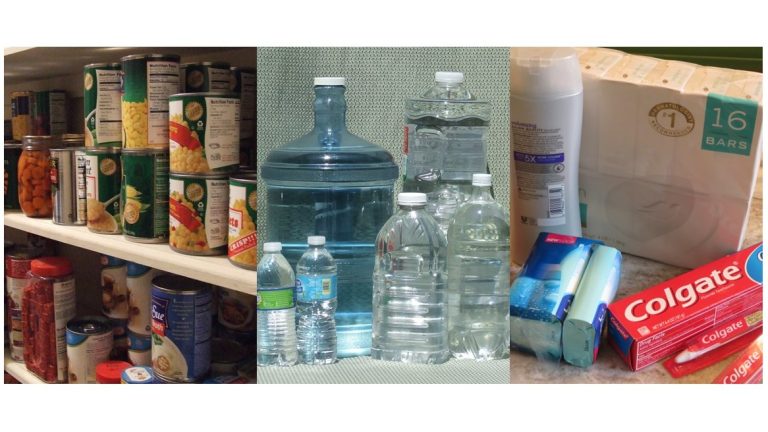
“Build a small supply of food that is part of your normal, daily diet. One way to do this is to purchase a few extra items each week to build a one-week supply of food. Then you can gradually increase your supply until it is sufficient for three months. These items should be rotated regularly to avoid spoilage.”
Have you ever considered building your three-month supply around a theme? Try some Southern-style meals. Here is a list of recipes (some with links) that will get you through more than 4 weeks plus breakfast, breads, desserts, snacks, and more. Add to it or repeat this list until you have 3 months (12 weeks) of meals. All recipes are made with shelf-stable foods.
Breakfast
• Breakfast Rice Bowl (Pantry Cooking with Home Preserved Foods)
• Breakfast Soup (Pantry Cooking II)
• Pineapple Coconut Cream Soup (Pantry Cooking II)
• Grits
• Sausage Patties (Pantry Cooking with Home Preserved Foods)
• Multigrain Pancakes (Pantry Cooking II)
Snacks
• Roasted Blackeye Peas (Pantry Cooking II)
• Strawberry Snack Mix (Pantry Cooking II)
Main dishes
• Corn Pie (Pantry Cooking: Unlocking Your Pantry’s Potential, page 60)
• Southern Rice (Pantry Cooking II)
• Southern Greens and Vegetables (Pantry Cooking II)
• Peas, Greens, and Corn (Pantry Cooking II)
• Mustard Green Hoppin’ John (Pantry Cooking II)
• Tomato Macaroni and Cheese (Pantry Cooking: Unlocking Your Pantry’s Potential, page 58)
• Hammed-Up Macaroni and Cheese (Pantry Cooking: Unlocking Your Pantry’s Potential, page 62)
• Layered Chicken and Potato Casserole (Pantry Cooking: Unlocking Your Pantry’s Potential, page 62)
• Chicken Pot Pie (Pantry Cooking: Unlocking Your Pantry’s Potential, page 63)
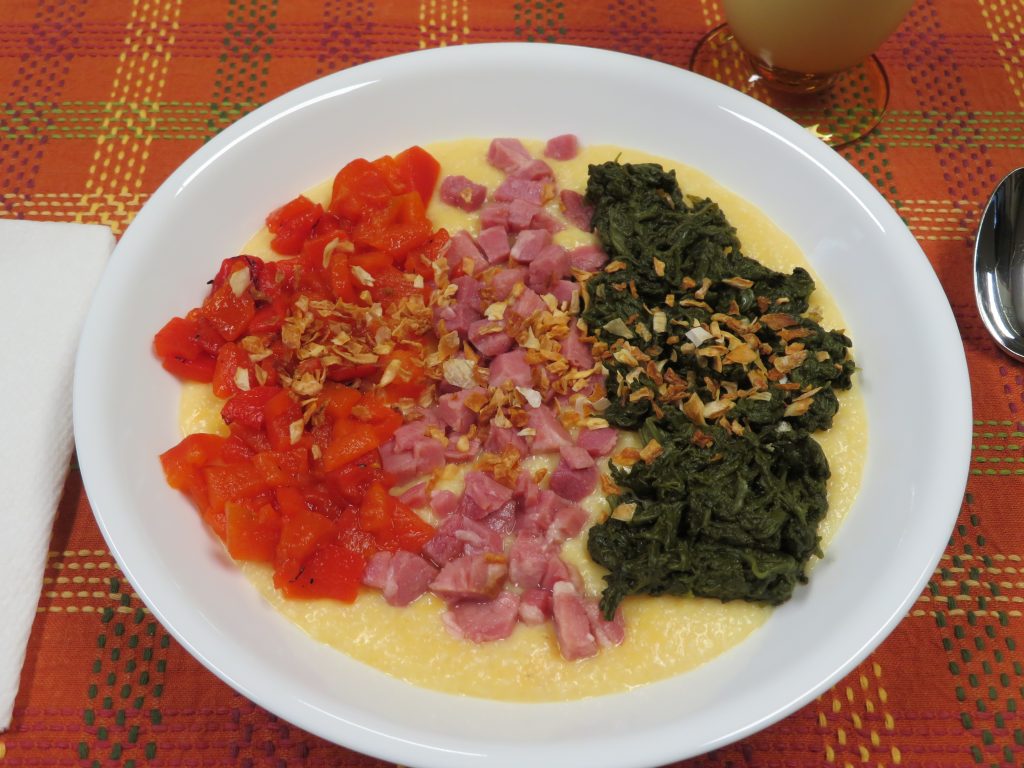
• Grits Bowls (Pantry Cooking with Home Preserved Foods)
• Ham and Rice Casserole (Pantry Cooking: Unlocking Your Pantry’s Potential, page 66)
• Chicken and Rice Skillet (Pantry Cooking: Unlocking Your Pantry’s Potential, page 67)
• Sausage and Corn (Pantry Cooking: Unlocking Your Pantry’s Potential, page 68)
• Black Bean and Rice Salad (Pantry Cooking: Unlocking Your Pantry’s Potential, page 95)
• Pineapple Luncheon Loaf (Pantry Cooking: Unlocking Your Pantry’s Potential, page 51)
• Baked Ham (Pantry Cooking: Unlocking Your Pantry’s Potential, page 52)
• Ham and Bean Soup (Pantry Cooking II)
• Twelve Bean Soup (Pantry Cooking II)
• Ham Chowder (Pantry Cooking with Home Preserved Foods)
• Popcorn Soup (Pantry Cooking II)
• Three Bean Stew (Pantry Cooking: Unlocking Your Pantry’s Potential, page 87)
• Fruited Chicken Salad (Pantry Cooking: Unlocking Your Pantry’s Potential, page 94)
• Tropical Pineapple Chicken Salad (Pantry Cooking II)
• Southern Rice Salad (Pantry Cooking with Home Preserved Foods)
• Canned chicken and dumplings
• Canned chili
Sandwiches
• Pork and Beans on Bun (Pantry Cooking: Unlocking Your Pantry’s Potential, page 112)
• Pulled Pork Sandwiches
• Smoked Brisket Sandwiches (Pantry Cooking with Home Preserved Foods)
• Baked Ham and Cheese Sandwiches (Pantry Cooking II)
Sides
• Maple Yams and Pears (Pantry Cooking II)
• Fried Dried Cabbage and Bacon (Pantry Cooking with Home Preserved Foods)
• Herbed Rice (Pantry Cooking II)
• Orange Rice (Pantry Cooking: Unlocking Your Pantry’s Potential, page 103)
Salads
• Pickled Cabbage Slaw (Pantry Cooking with Home Preserved Foods)
Breads
• Chile Cornbread (Pantry Cooking II)
• Sweet Yeast Biscuits (Pantry Cooking II)
• Cinnamon Pecan Biscuits (Pantry Cooking II)
• Lemon Soda Bread (Pantry Cooking II)
Drinks
• Berry Lemonade (Pantry Cooking with Home Preserved Foods)
Dessert
• Peach Cobbler Cake (Pantry Cooking II)
• Peanut Butter Cookies (Pantry Cooking: Unlocking Your Pantry’s Potential, page 126)
• Chewy Pecan Cookie Squares (Pantry Cooking: Unlocking Your Pantry’s Potential, page 125)
• Amaranth Peanut Butter Balls (Pantry Cooking: Unlocking Your Pantry’s Potential, page 128)
• Quick Rice Pudding (Pantry Cooking: Unlocking Your Pantry’s Potential, page 117)