
A natural gas pipeline exploded the evening of 5 March 2021 in an upper middle-class neighborhood of northwest Harris County, Texas. Earlier in the day, a fiber optics crew had broken a gas line. The gas company came out to repair it. In the process of making the repair, someone hit a 6-inch pipeline which resulted in the explosion. Twenty-foot flames leapt into the air near homes. Residents within a certain radius were evacuated and the area closed to any traffic. A nearby elementary school was opened as a shelter. Power lines above the explosion and fire melted, causing power outages in the area. Multiple gas lines were leaking and on fire. An hour and a half later, there was still one line burning and 7 people were in the hospital.
That day started out as a normal spring day for everyone affected but ended very differently than expected. This was an unexpected situation that required evacuation in a very short amount of time. Could you do it? Do you have a 72-hour kit easily accessible? Do you have important documents in a portable container? Do you have a list of what you should grab at the last minute?
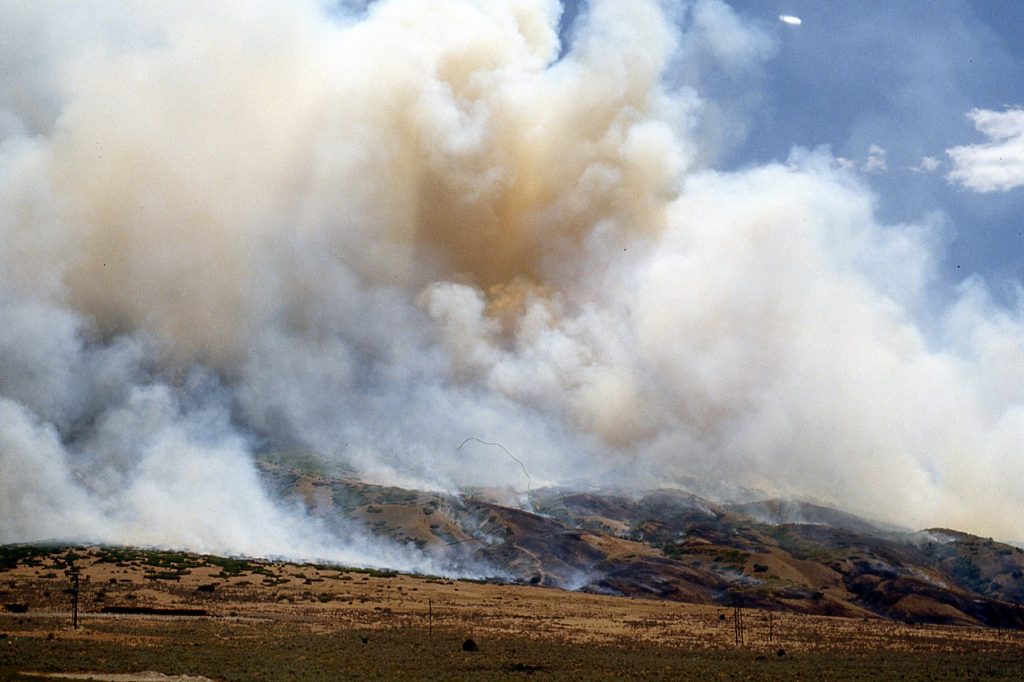
If you live in an area where wildfires, flash flooding, and mudslides are historically common, you may want to prepare even more extensively for rapid evacuation. Being prepared can make a difference in who survives and how many of your critical possessions are saved.
Here are some preparations that could make the difference in these, and similar, circumstances:
• Make a list of what needs to be grabbed if you have 20 minutes, 15 minutes, 10 minutes, or 5 minutes to evacuate. Post the list in a prominent place in a gathering area or near the door you would leave through.
• Always keep a minimum of 1/3 tank of gasoline in your vehicles.
• Back your car into the garage during the critical seasons for the disasters you could experience. You will be able to leave faster when seconds can make a difference.
• Keep emergency kits in a place where they are easy to grab – not in the basement, upstairs, or in a closet.
• Make assignments. Assign each person in the house the responsibility of retrieving a different item to take with you. Don’t forget to take your pets, your keys, and your identification.
• Practice your evacuation. Have an evacuation drill for a 5-minute, 10-minute, 15-minute, and 20-minute evacuation. (Remember “physical muscle memory”!)
For more ideas to consider for emergency evacuations, see “Forced Evacuations.“