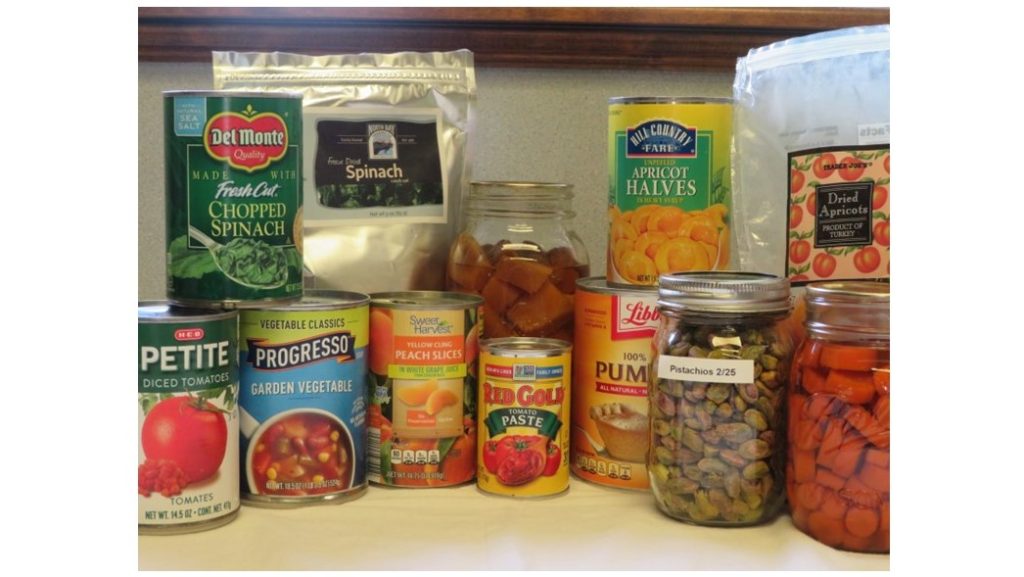

Long-term storage foods, with only a few exceptions, do not contain either Vitamin C or Vitamin A. Vitamin C was addressed in February. Now it’s time to take a look at Vitamin A.
Vitamin A
• Supports eye health
• Contributes to healthy skin
• Aids in normal growth
• Strengthens the immune system
• Is important in reproductive health
Vitamin A deficiencies include
• Hair loss
• Skin problems
• Dry eyes
• Night blindness
• Impaired growth
• Increased susceptibility to infections
• Fatigue
Vitamin A is not in most long-term storage foods, but sprouted grains, seeds, and beans exposed to sunlight until the sprout turns green can provide some Vitamin A.
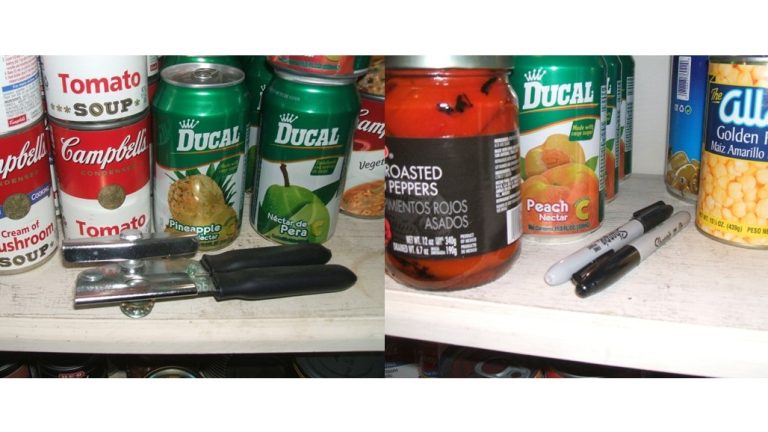
Do you have enough Vitamin A foods stored in your three-month supply or expanded storage? Canned, dehydrated, and freeze-dried foods are a good source of the vitamin. Cooked plant foods, rather than raw plant foods, have more Vitamin A available for absorption by the body so don’t worry about your shelf-stable versions of fruits and vegetables being inadequate. If you must choose a limited variety of fruits and vegetables, choose those that have Vitamin A in them, as well as Vitamin C foods. (Note those in the list below with a superscript “c” have both A and C in them.)
Vitamin A foods include:
• Tomatoesc
• Tomato soupc
• Tomato juicec
• Tomato saucec
• Tomato pastec
• Spinach and other greensc
• Yams and sweet potatoesc
• Butternut squashc
• Pumpkin
• Red pepperc
• Mixed vegetables
• Peas (not dried)
• Carrots
• Broccolic
• Apricots
• Peaches
• Dried prunes
• Mangoc
• Papaya
• Guava
• Passion fruit
• Nectarines
• Pink grapefruitc
• Vegetable soup
• Salmon
• Clams
• Oysters
• Pistachios
Food is better than supplements, but multivitamins are also an option. Look for vitamins with beta-carotene rather than preformed Vitamin A or retinol.
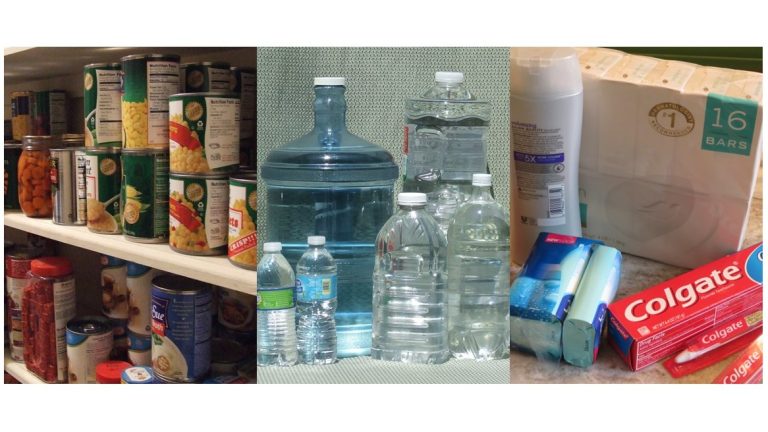
Make sure your home storage is nutritionally well-balanced and nutritionally sound. Be sure you have Vitamin A foods included.