
Influenza (flu) activity in the United States is still a big concern in every state with hospitalizations increasing. The new highly contagious variant is a mutated influenza A H3N2 strain, called subclade K. The H3N2 strain typically causes more severe symptoms than other strains and this one has mutated 7 times. To complicate things, COVID-19 and RSV are also contributing to respiratory illness numbers.
Symptoms to watch for this flu season are:
• High fever
• Chills
• Headache
• Extreme fatigue
• Joint and muscle aches
• Sore throat
• Severe cough and congestion
• Stuffy or runny nose
• Vomiting
• Diarrhea
• Shortness of breath
• Low oxygen levels
Symptoms are often rapid onset, too.
How can you protect yourself and your children? Here are some habits to start:
• Consider getting vaccinated if you haven’t already.
• Eat a well-balanced diet.
• Drink plenty of fluids.
• Get plenty of sleep.
• Exercise.
• Clean hands frequently with soap and water or alcohol-based hand sanitizer.
• Cough and sneeze into tissues or your elbow.
• Dispose of used tissues promptly and then clean your hands.
• Stay away from those who are sick.
• Do not shake hands.
• Keep your hands away from your eyes, nose, and mouth to avoid infecting yourself.
• Wear a surgical mask around others, if desired.
• Stay at least 6 feet away from others outside your home.
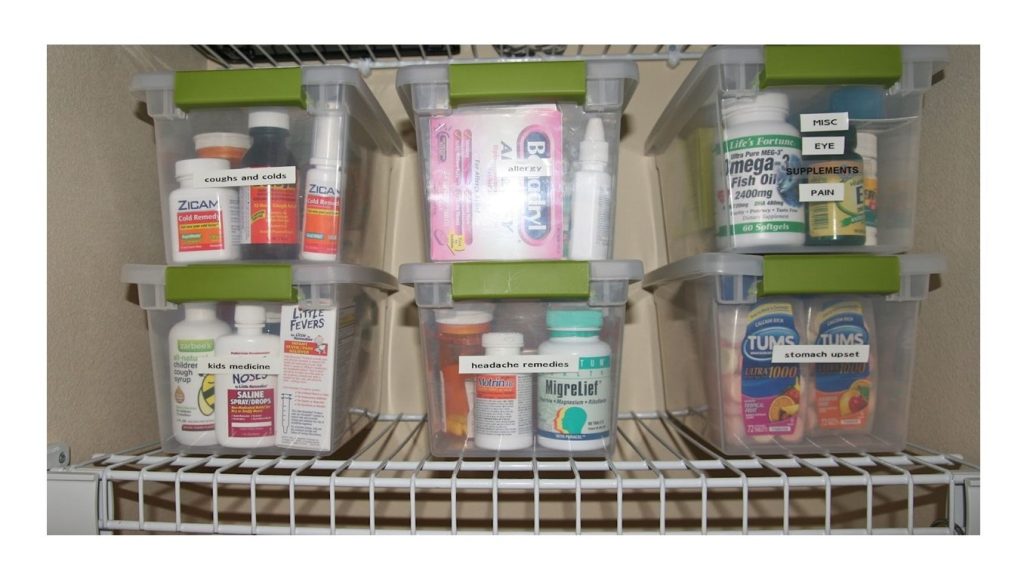
Do you have what you need if someone gets sick? Stock up on a few things so you don’t need to run to the store when either you or one of your family are sick. Here are some ideas:
• Chicken noodle soup
• Broth
• Saltines
• Applesauce
• Apple juice
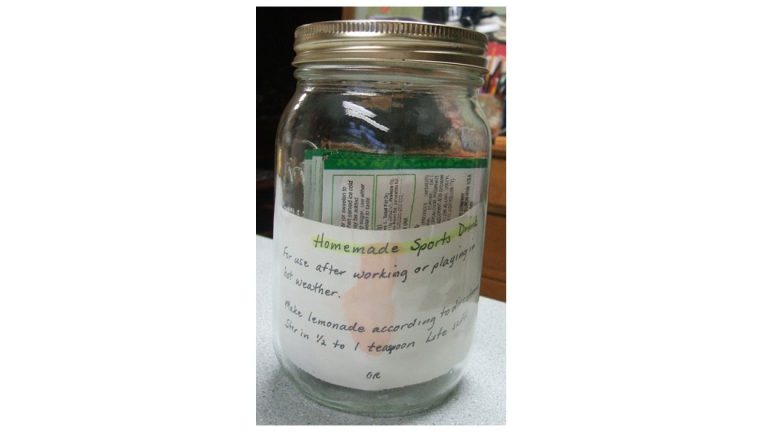
• Gatorade/Powerade/ingredients to make your own
• Herbal teas
• Pudding
• Facial tissue
• Toilet paper
• Garbage bags
• Thermometer probe covers
• For more ideas see “Supplies and Medications”
How do you keep the flu from spreading from one family member to another?
• Isolate the sick person in a room of their own or far away from others in their room.
• Follow the previous prevention habits in addition to the following tips.
• Avoid sharing anything including pens, towels, sheets, food, and eating utensils.
• Disinfect doorknobs, switches, handles, telephones, toys and other surfaces commonly touched with disinfectant wipes, cleaners, or bleach solution.
• Disinfecting bleach solution for hard non-porous surfaces: 3/4 cup bleach in one gallon of water. Allow a 5-minute contact time. Rinse food contact surfaces such as kitchen counters and tables with potable water. Make a new solution each day.
• Wear disposable gloves when in contact with or cleaning up body fluids.
• Don’t wait to go to a doctor if symptoms worsen.
For things to remember when treating sick individuals and aiding in their recovery, see “Disease Prevention and Treatment of Symptoms.”