
The parable of the nobleman and the olive trees found in Doctrine and Covenants section 101 includes these verses:
43 And now, I will show unto you a parable, that you may know my will concerning the redemption of Zion.
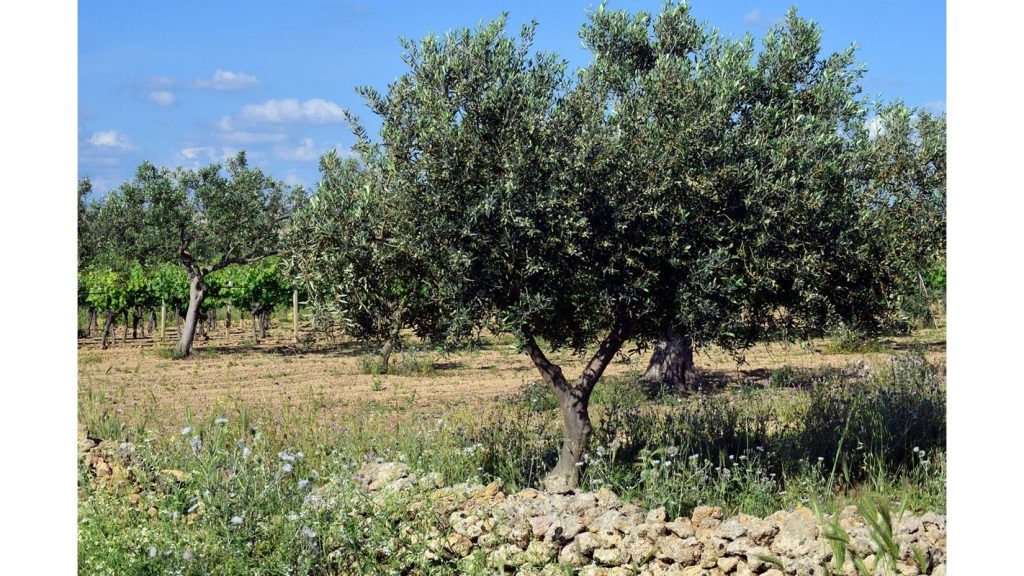
44 A certain nobleman had a spot of land, very choice; and he said unto his servants: Go ye unto my vineyard, even upon this very choice piece of land, and plant twelve olive trees;
45 And set watchmen round about them, and build a tower, that one may overlook the land round about, to be a watchman upon the tower, that mine olive trees may not be broken down when the enemy shall come to spoil and take upon themselves the fruit of my vineyard.
46 Now, the servants of the nobleman went and did as their lord commanded them, and planted the olive trees, and built a hedge round about, and set watchmen, and began to build a tower.
47 And while they were yet laying the foundation thereof, they began to say among themselves: And what need hath my lord of this tower?
48 And consulted for a long time, saying among themselves: What need hath my lord of this tower, seeing this is a time of peace?
49 Might not this money be given to the exchangers? For there is no need of these things.
50 And while they were at variance one with another they became very slothful, and they hearkened not unto the commandments of their lord.
51 And the enemy came by night, and broke down the hedge; and the servants of the nobleman arose and were affrighted, and fled; and the enemy destroyed their works, and broke down the olive trees.
While this parable given in 1833 refers primarily to the members of The Church of Jesus Christ of Latter-day Saints living in Missouri at the time, parables can often be interpreted on many levels.
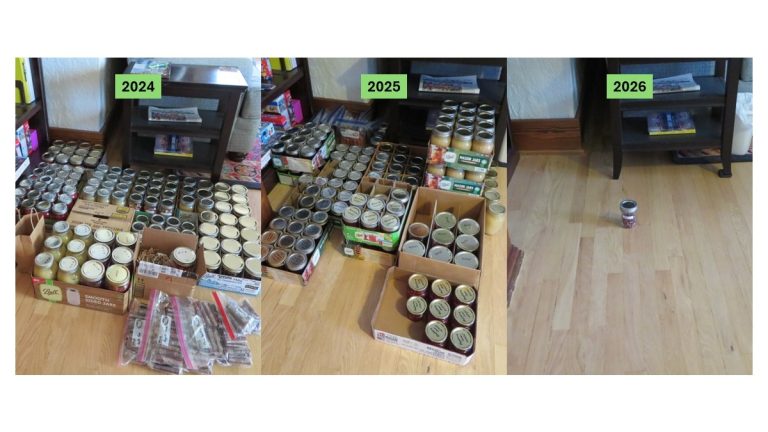
I invite you to read the above verses with food storage in mind. You might see that verses 47 and 48 could refer to those who question the need for food storage, especially in times of plenty, either personally or nationally. Could they rationalize spending their money, instead, on other things or causes they think are more important as in verse 49? And become apathetic and disobedient as in verse 50? But then, as in verse 51, they may be surprised when situations change, the need for food storage arises, and they have nothing, including what they thought was more important.
Something to consider when we “liken” the scriptures “unto [our]selves.” (1 Nephi 19:23-24)