
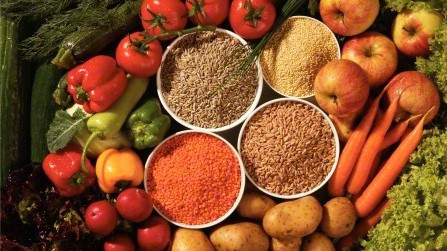

In Doctrine and Covenants 89: 12, the Lord states “Yea, flesh also of beasts and of the fowls of the air, I, the Lord, have ordained for the use of man with thanksgiving; nevertheless they are to be used sparingly;…”
Dr. Martin Hindhede of the Danish Institute of Nutrition conducted many experiments on the beneficial effects of a low meat diet during the first part of the 20th century. His biggest experiment took place during World War I.
War blockades resulted in reduced numbers of cattle and hogs during the war. A low-meat diet became necessary. Based on Dr. Hindhede’s recommendations, from October 1917 to the end of the war, each person was given a ration of very little meat, small amounts of butter and milk, and large amounts of bread made from whole rye flour mixed with a small amount of wheat flour and wheat bran, plus cereals, potatoes, and some other vegetables. Alcoholic beverages, tea, and coffee were not available for consumption.
During the year the Danish people ate this rationed diet, the death rate dropped nearly one-fifth and became the lowest ever known in Europe. When the flu epidemic broke out in October 1918, Denmark became the only neutral country with a death rate below pre-war mortality rates. While abstinence from coffee, tea, and alcohol was a factor, studies showed that the simple, natural diet (low in meat, high in whole grains and vegetables) was a major factor in reducing normal death rates as well as death from the flu.
Following the counsel in D&C 89 to eat meat “sparingly” will help us be healthier as shown in the historical reports above. Incorporating that counsel into our diets helps us “develop physical…strength” as part of temporal self-reliance in the area of Physical and Emotional Health.
Source: Chapter 15, “Meat….Sparingly” Word of Wisdom: A Modern Interpretation by John A. Widtsoe. Published in 1937