

When I leave for an extended period, I do 3 things to my chest freezer:
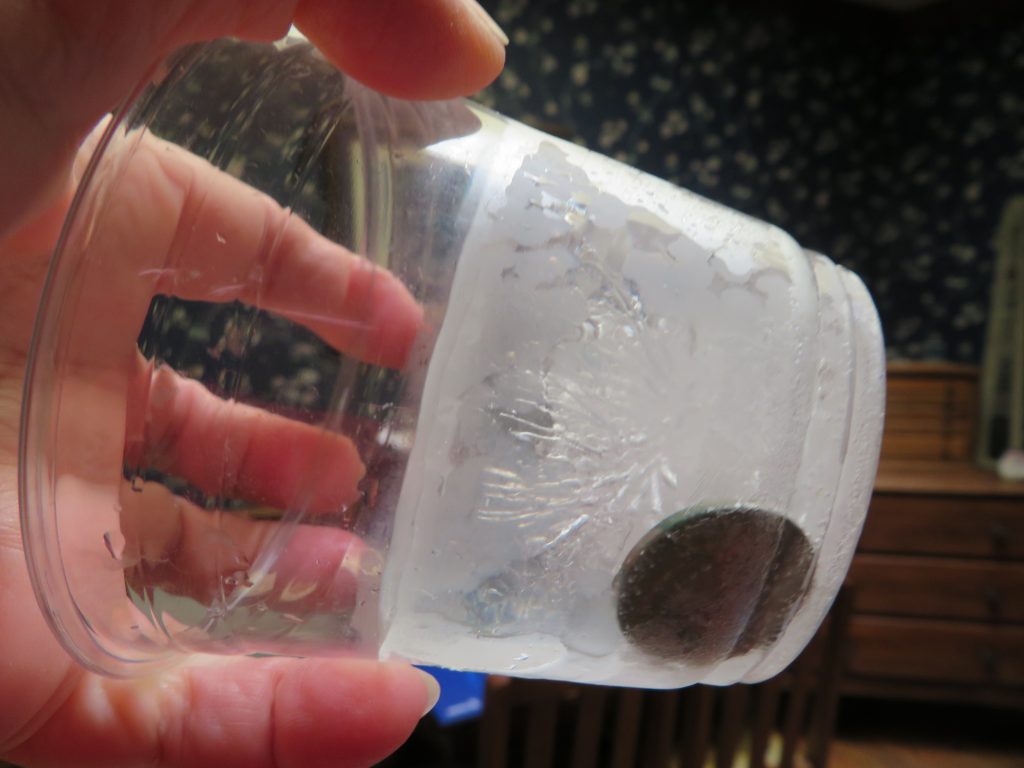
- I make sure I have a cup of frozen water with a nickel on top sitting in the freezer.
- I take all the frozen food from my refrigerator-freezer and put it in my chest freezer.
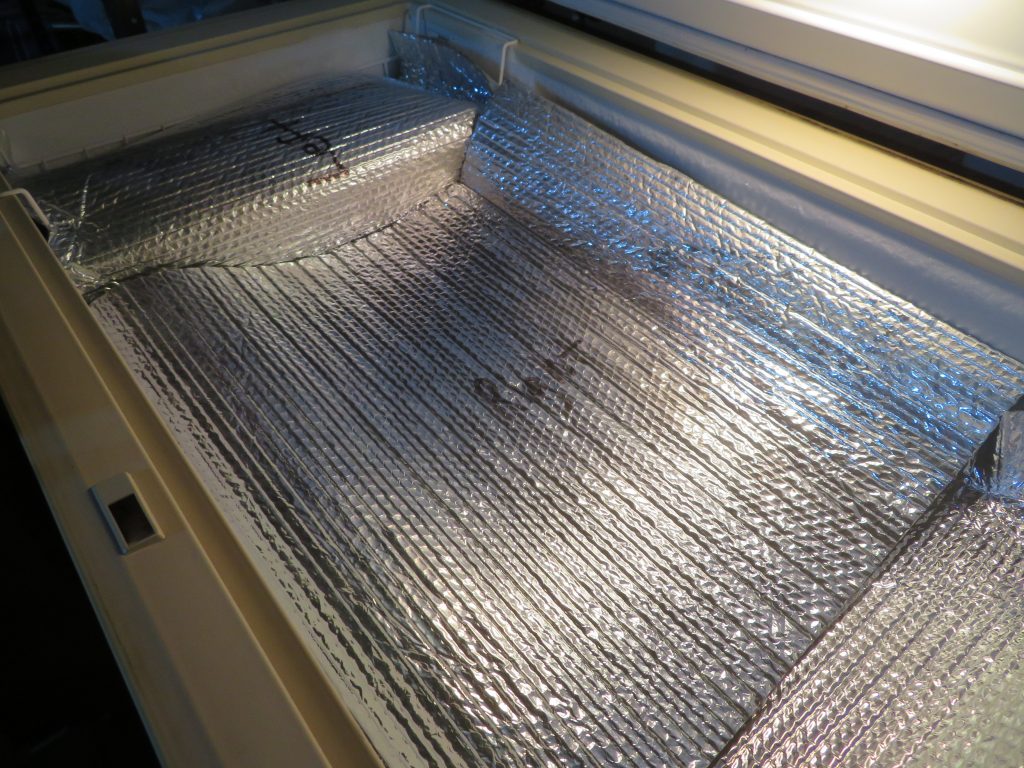
- I cover the food in the chest freezer with sheets of reflective insulation.
The cup of frozen water will tell me if the power was out for a long time and if it was out long enough for the ice to thaw.
I move the frozen food to the chest freezer to give it a better chance of survival in a power outage.
I cover the food with insulation to protect it as long as possible.
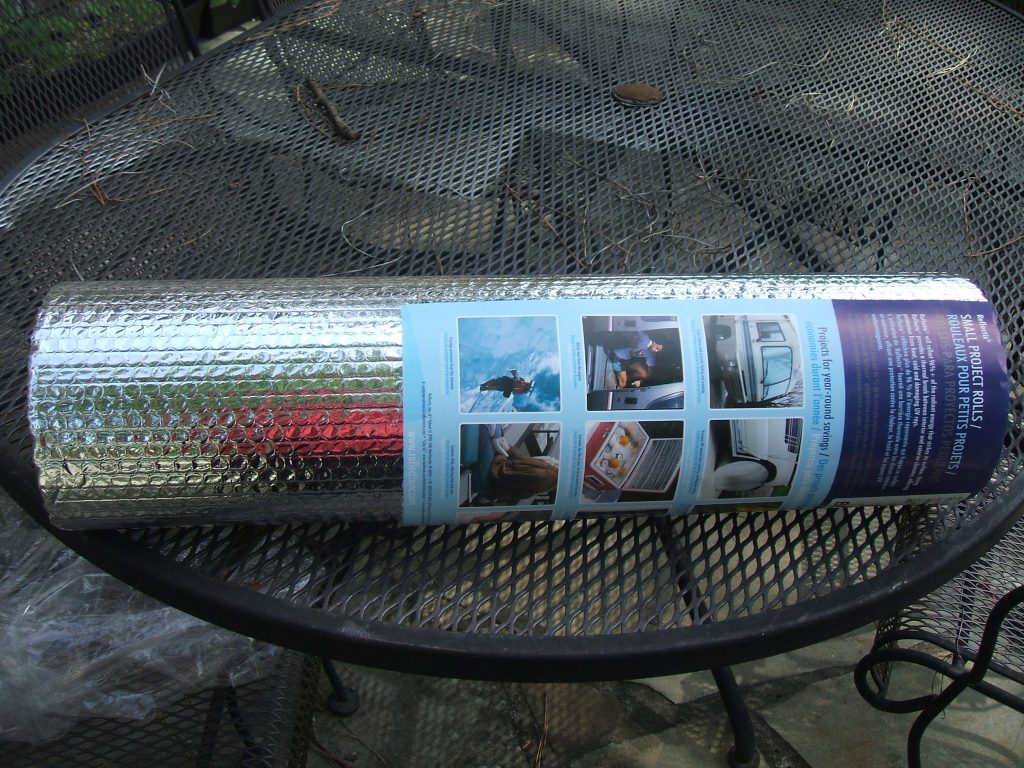
Hurricane Beryl hit Houston, Texas the morning of July 8, 2024 and we were at a family reunion in Idaho. The power went out at our house in Houston about 7:00 AM. Luckily, there was very little in the refrigerator that we would need to throw away when we got back since it was mostly empty but how long could we expect the freezer food to last?
A full chest freezer will keep food at safe temperatures for 3 to 4 days so I knew I was good until Thursday or Friday morning. But would the insulation extend that time another day or two?
The power finally came back on the evening of the 6th day. Here’s what we found when we opened it 16 days later (after our return):
• Of course, everything had refrozen. The task was to determine, if possible, the state of the food when it refroze.
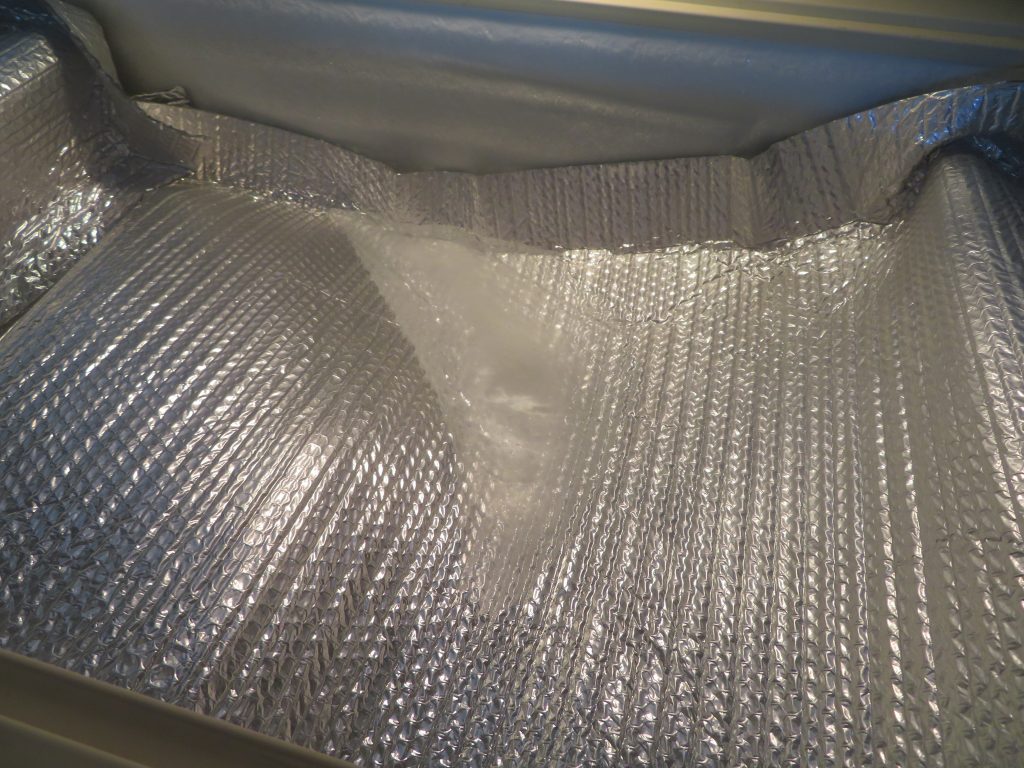
• I had put a second layer of insulation over the middle of the freezer. Everything looked exactly as it had when I left it until I picked up the top layer of insulation. The second (bottom) layer of insulation had ice on it. The ice on the sides of the freezer had thawed and pooled on the bottom layer. There was also refrozen ice melt on the bottom of the freezer.
• The ice cup had spiky crystals in the center of it. After testing and examination, we decided that the ice had melted down to a “snowball” in a cup of water causing the nickel to fall on its side but leaving crystals in the center when it refroze. We don’t believe it completely thawed.
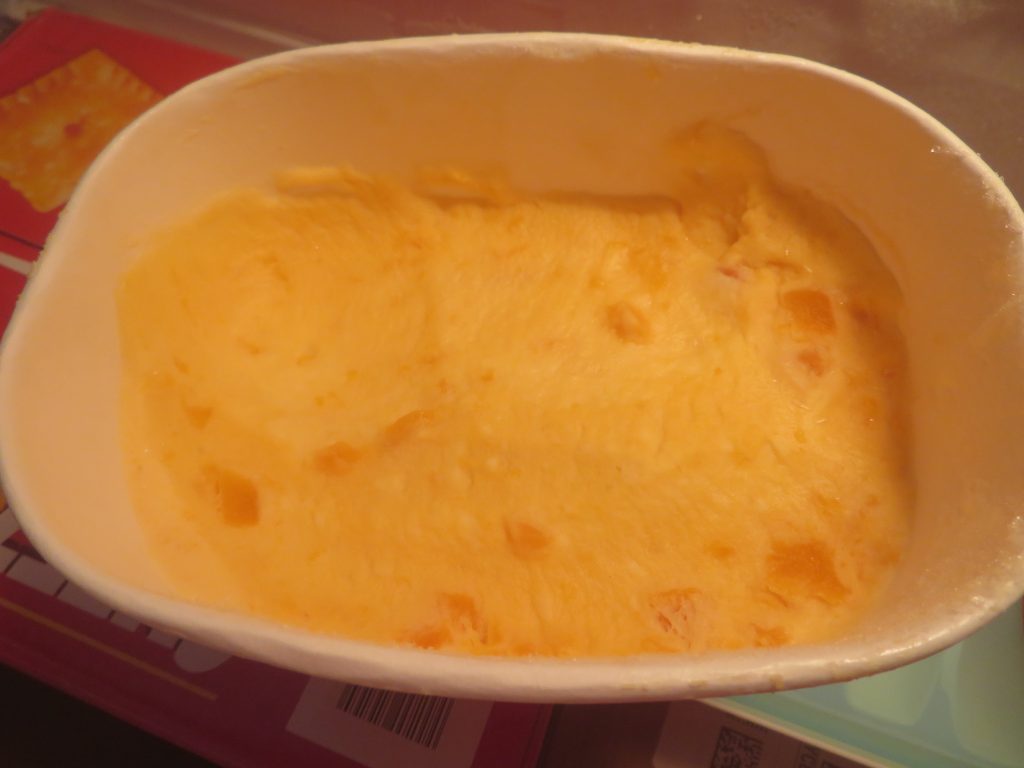
• The ice cream had not melted completely before refreezing. No melted ice cream had leaked through the seam around the bottom of the carton and there was still topography on the top of the ice cream. One carton did have some icey texture in the bottom, though.
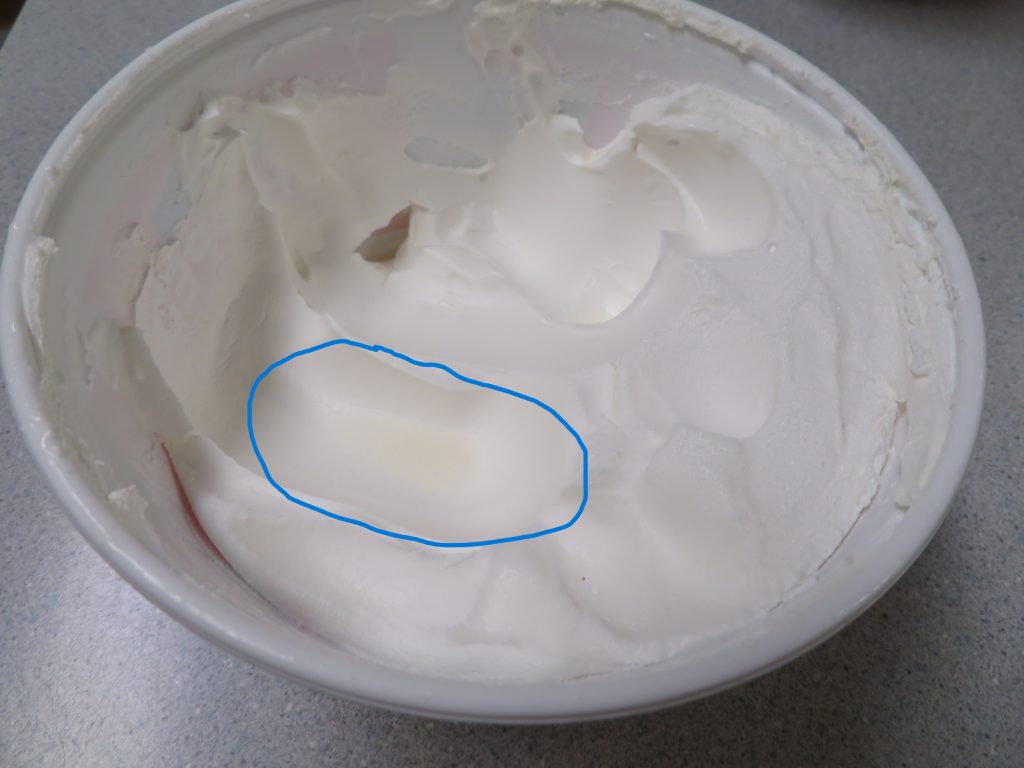
• A partially used carton of whipped topping looked like it did when it was put into the freezer originally except for one small area that had started to separate. It tasted good and had a good texture, but it separated more quickly in the refrigerator after thawing.
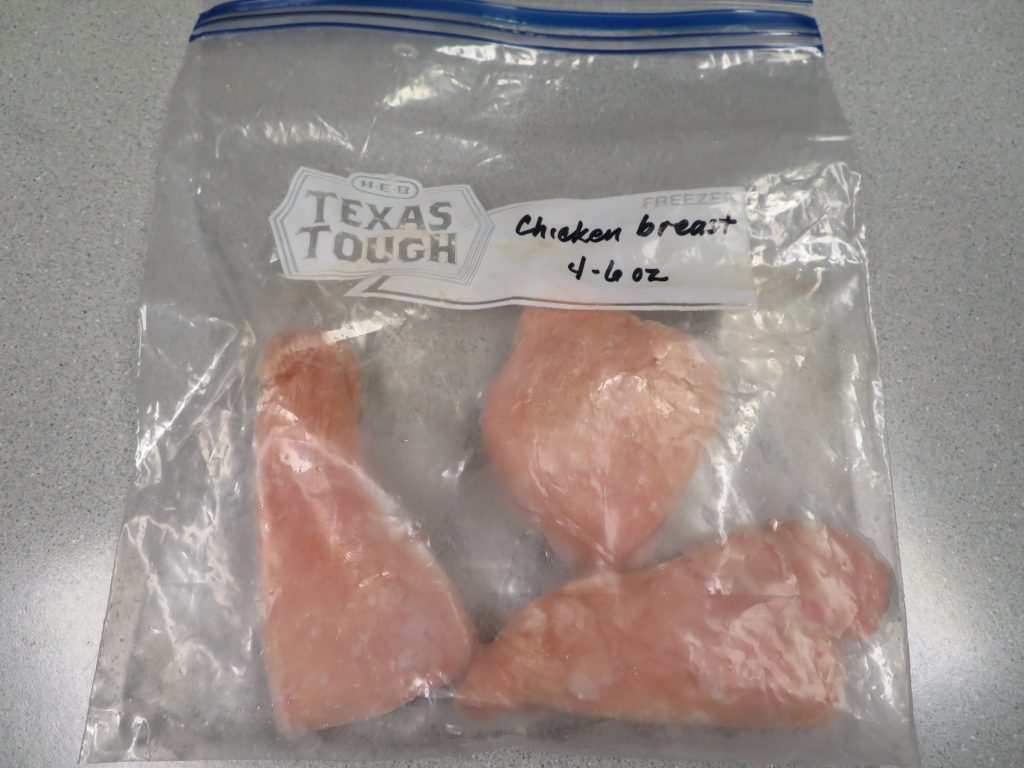
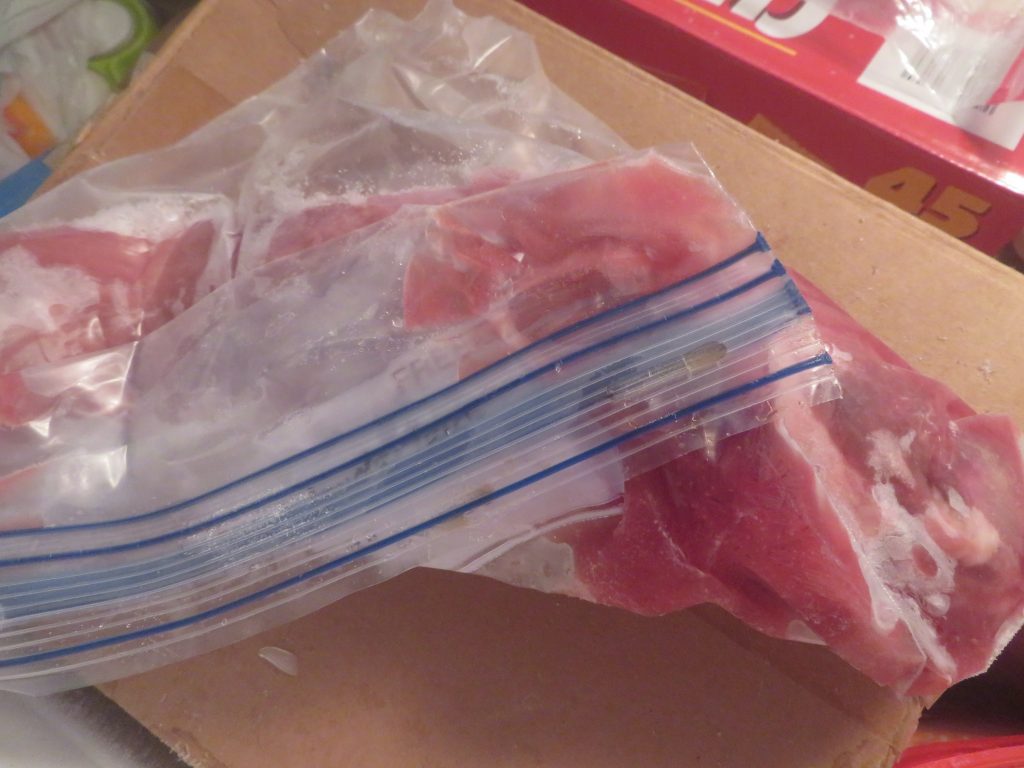
• There were no frozen meat juices in bags of meat except for one pork tenderloin sitting on one end of the freezer. Completely thawed meat almost always sits in meat juices when it is thawed. The absence of the juice told me they didn’t completely thaw. I will pressure can the pork tenderloin.
• Bags of dewberries probably did thaw. There was frozen juice in the bags indicating thawed berries. They can be used for cobbler since canned fruit and fruit juice is still good after 2 to 3 days above 40 degrees.
• Hot dogs probably did thaw looking at the bends in them and the shape of them. They were on top on the outside edge of an upper basket with only 1 layer of insulation over them. They will be thrown away.
• A roll of sausage near the hot dogs probably thawed at least partially. Indentations were in it from the basket but could be there from the initial freezing. The center of it could have still been cold when it refroze. I’m planning to pressure can it.
• Shredded zucchini and some roasted peppers probably thawed. They were stacked together in an upper basket and had refrozen together.
• Green beans had at least partially thawed and refrozen into a single mass instead of individual beans.
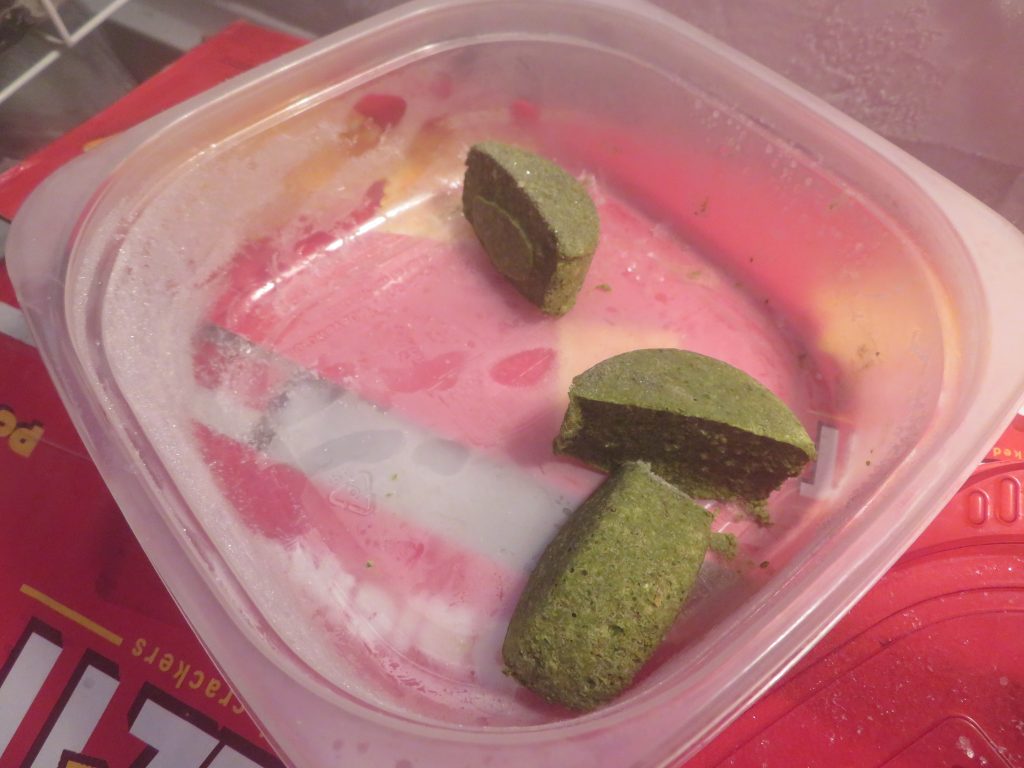
• My pesto “ice cubes” were still cubes and hadn’t separated like they do when they are fully thawed for use in a recipe.
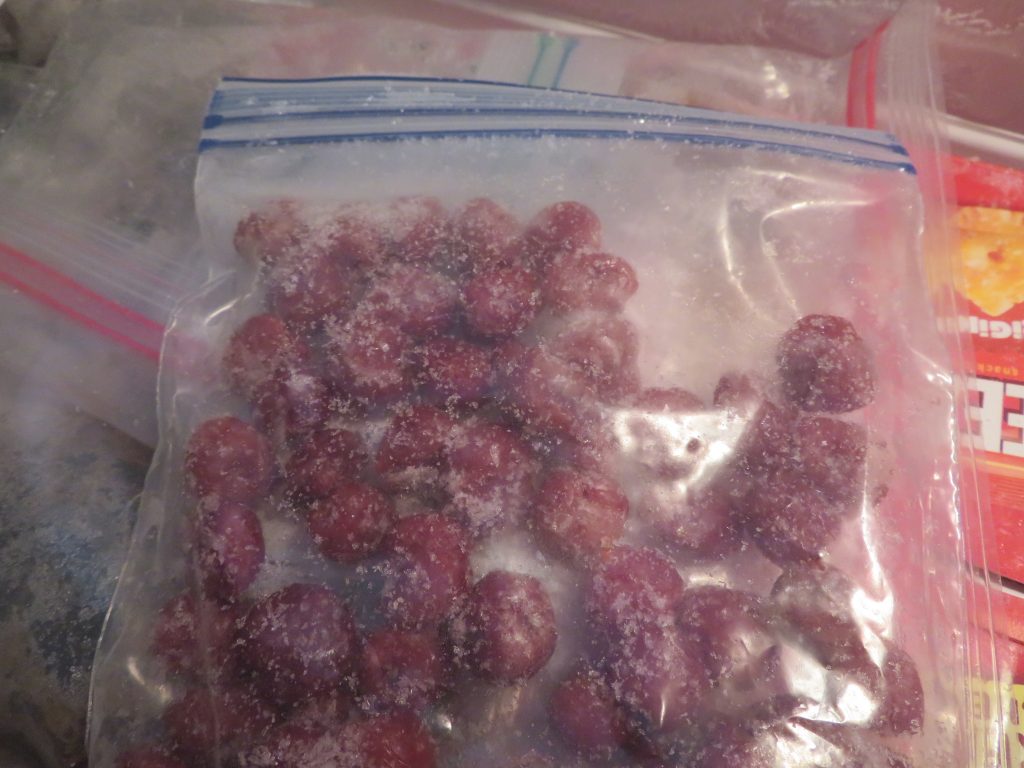
• Frozen cherries were still easy to break apart and some were loose indicating they had not thawed into a mass of fruit.
• Shredded cheese was normal.
• Butter was fine.
• A small bundt cake was fine.
• Tortillas were fine.
We will check each item we remove from the freezer before we use it. We will check for off smells first and odd appearances. If there is a question about using meat, it can be safely home canned and used since home canning is done at temperatures that inactivate the most difficult and deadly bacteria.
What thawed or partially thawed depended on 3 different factors:
• What kind of food – bread, herbs, fruits, and vegetables will thaw more quickly than meat or solidly packed containers.
• Where the food was in the freezer – upper baskets and the ends of the freezer started thawing first.
• Number of layers of insulation above it – 2 layers remained colder than 1 layer.
This lasted 6 days because:
• This was a chest freezer
• It was an 18 cubic foot chest freezer (large freezers stay frozen longer than small freezers)
• The freezer was mostly full
• Much of the food was solid (not bread or vegetables)
• There was insulation over the top of the food with double insulation in the middle section
• The freezer was never opened between July 8 and July 26.
I would not plan on my freezer staying cold enough after 6 days. Enough of the food had partially thawed for me to believe a day longer would be too long. I wasn’t supposed to get power for another four days (10 days total) and had already started contacting people to go see if they could salvage anything when the power came on. I could sense that limit even in Idaho.
Future plans:
• Add a second cup of frozen water. Put one in the top and one in the bottom of the freezer.
• Add large cooler ice packs and place them in the ends of the freezer.
• Move items in upper baskets to a lower level before covering everything with insulation.
• Double the insulation inside the entire freezer, not just the middle section.